

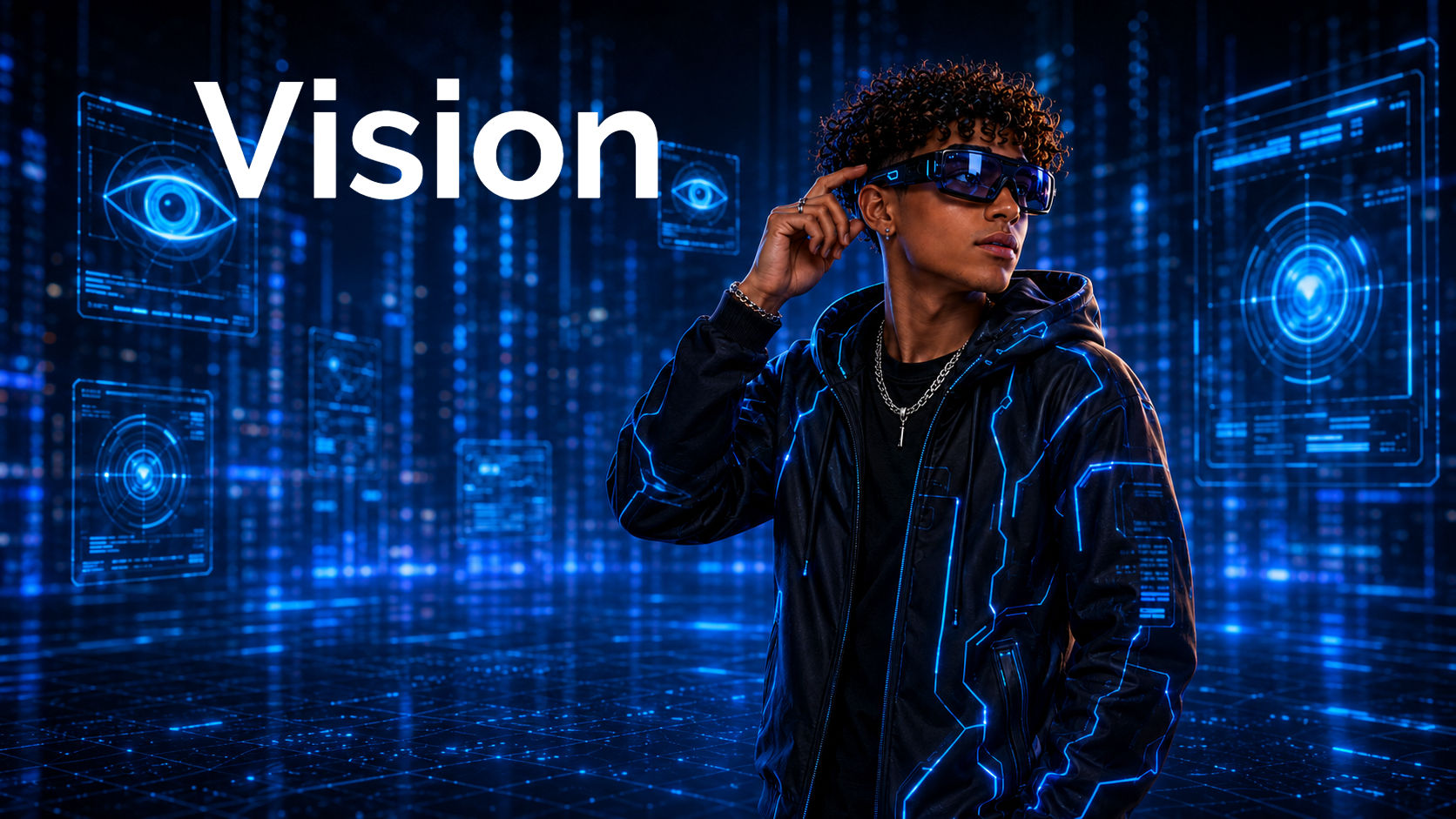
AI-Powered Vision Technology Explained: The Future of Seeing

You’ve probably heard about AI vision tech, but what’s the real deal? This tech is changing how machines see and understand the world. It’s not sci-fi anymore. It’s here, and it’s shaping everything from how you shop online to how robots work in factories. Let’s break down what AI-powered vision technology is, how it works, and why it matters to you.
What Is AI Vision Technology?
AI vision technology is all about teaching computers to see like humans do. But instead of just capturing images, these systems analyze and interpret what they see. This means recognizing objects, understanding scenes, and even predicting what might happen next.
At its core, AI vision uses machine learning models, especially deep learning, to process images and videos. These models learn from tons of data to spot patterns and details that humans might miss or take longer to identify.
How It Works
Image Capture: Cameras or sensors collect visual data.
Preprocessing: The data is cleaned and prepared for analysis.
Feature Extraction: The AI identifies key elements like edges, shapes, and colors.
Classification and Detection: The system labels objects or detects specific items.
Decision Making: Based on the analysis, the AI can trigger actions or provide insights.
This process happens super fast, often in real-time, making AI vision tech perfect for dynamic environments.

Why AI Vision Technology Is a Game Changer
AI vision tech is not just about cool gadgets. It’s transforming industries and daily life. Here’s why it’s a big deal:
Automation: Robots and machines can perform tasks that need visual input, like quality checks in factories or sorting packages.
Safety: AI vision helps in monitoring environments for hazards, improving security systems, and even assisting autonomous vehicles.
Accessibility: It enables tools that help visually impaired people navigate the world better.
Personalization: Retailers use it to offer tailored shopping experiences by recognizing customer preferences.
For creators and educators, AI vision opens doors to immersive learning experiences. Imagine virtual classrooms where AI can track student engagement or creative tools that respond to your gestures.
Key Technologies Behind AI Vision
Several tech components power AI vision systems. Knowing these helps you understand what’s possible:
Convolutional Neural Networks (CNNs)
CNNs are the backbone of image recognition. They mimic how the human brain processes visual information, focusing on spatial hierarchies in images.
Object Detection Algorithms
These algorithms locate and identify multiple objects within an image. Examples include YOLO (You Only Look Once) and SSD (Single Shot MultiBox Detector).
Image Segmentation
This technique divides an image into parts to analyze each section separately. It’s useful in medical imaging and autonomous driving.
3D Vision and Depth Sensing
Using sensors like LiDAR or stereo cameras, AI can understand the depth and shape of objects, enabling better interaction with the environment.
Edge Computing
Processing data locally on devices reduces latency and enhances privacy, which is crucial for wearables and mobile AI vision applications.

Practical Uses You Can See Today
AI vision tech is already in your life, even if you don’t notice it. Here are some real-world examples:
Smartphones: Face unlock, scene detection in cameras, and augmented reality apps.
Retail: Automated checkout systems and inventory management.
Healthcare: AI-assisted diagnostics using medical images.
Transportation: Self-driving cars and traffic monitoring.
Security: Facial recognition and anomaly detection in surveillance.
If you’re into the latest gadgets, you might want to check out ai wearables vision tech that combines AI vision with wearable devices. These wearables can track your environment and provide real-time feedback, making them perfect for immersive learning and hands-free interaction.
What’s Next for AI Vision Tech?
The future looks bright and fast-moving. Here’s what to expect:
Better Accuracy: Models will get smarter and more reliable.
More Integration: AI vision will blend with other AI fields like natural language processing for richer experiences.
Smaller Devices: Expect AI vision tech in more compact, energy-efficient wearables.
Ethical AI: Focus on privacy, bias reduction, and transparency will grow.
Immersive Media: AI vision will power new forms of media that respond to your environment and actions.
You can already see early versions of these trends in AR glasses and smart home devices. The key is how these tools will redefine how you learn, work, and play.
How to Get Started with AI Vision Tech
If you want to dive into AI vision, here’s a simple roadmap:
Learn the Basics: Understand machine learning and computer vision fundamentals.
Experiment with Tools: Use open-source libraries like OpenCV, TensorFlow, or PyTorch.
Build Projects: Start with simple image classification or object detection apps.
Explore Hardware: Try out cameras, sensors, and AI wearables.
Join Communities: Connect with others who share your passion for AI and immersive tech.
This hands-on approach will help you grasp the tech and see its potential firsthand.
The Impact on Learning and Interaction
AI vision tech is not just about machines seeing better. It’s about changing how you interact with the digital world. Imagine learning environments where AI adapts to your pace and style by reading your expressions or gestures. Or creative tools that respond instantly to your movements.
This tech is pushing the boundaries of immersive media, making experiences more natural and intuitive. It’s a big step toward a future where technology feels less like a tool and more like a partner.
AI-powered vision technology is reshaping the way you see and interact with the world. From everyday gadgets to cutting-edge wearables, it’s making tech smarter and more responsive. Staying informed and engaged with this field will keep you ahead in the fast-evolving digital landscape.


Comments